Art Forms
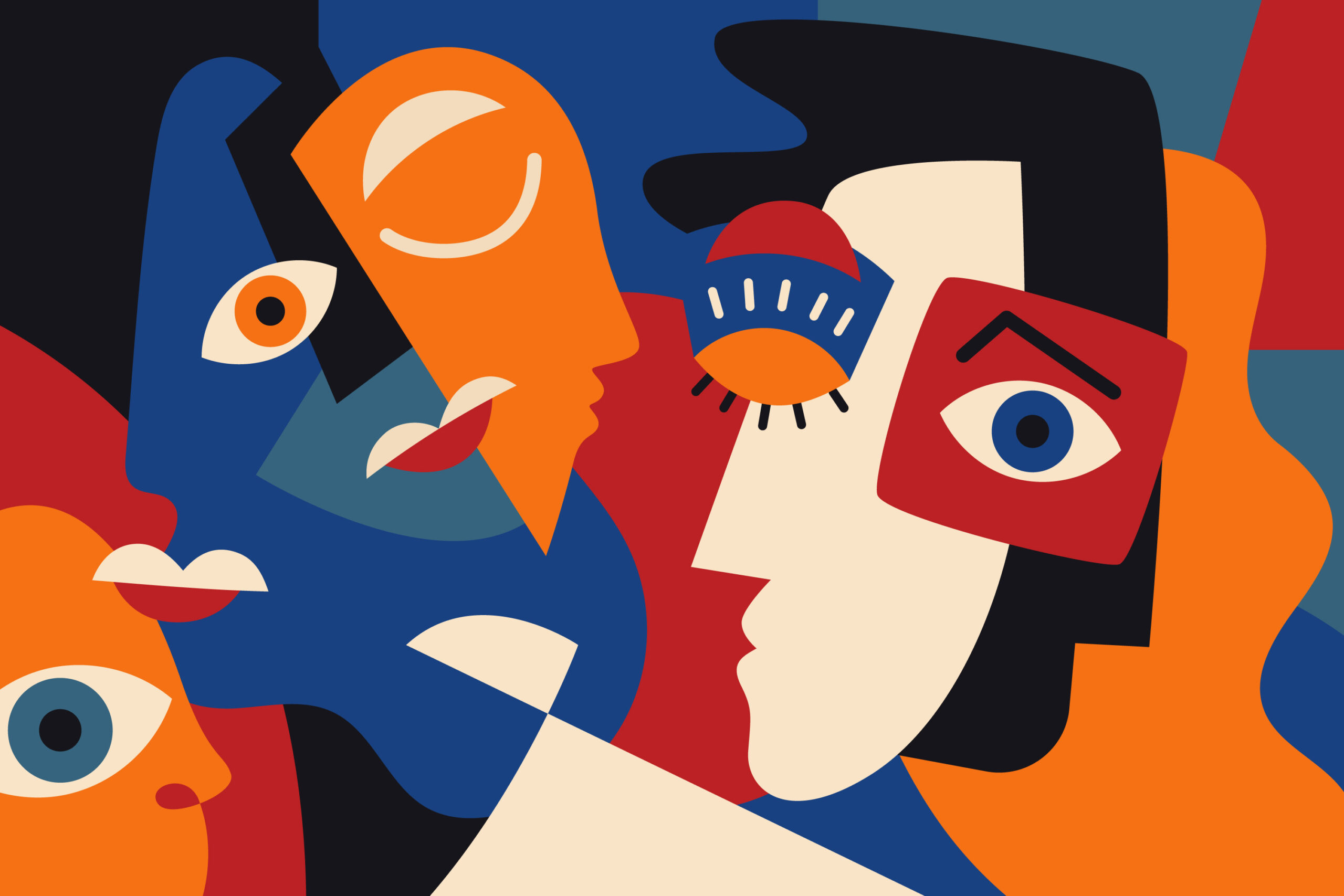
Art speaks louder than words — in this unit, you’ll explore the world of visual and performing arts, learn key vocabulary to describe artworks, artistic techniques, and cultural heritage, and use it confidently in speaking, writing, listening, and reading. Discover, create, and get inspired today!
Learning Flow in This Unit:
- Understand – listen to a dialogue and learn key vocabulary
- Practice – complete vocabulary exercises
- Use – apply the vocabulary in speaking and writing tasks
- Check – see the answers below the exercises
📖 Stage 1 – Understand the Vocabulary
1️⃣ Listening for the main idea
Read and listen to the dialogue below and answer the questions.
- What type of painting did Ana just finish?
- What is Tom currently working on for his visual arts class?
- According to Ana, what is the importance of arts and crafts and DIY?
- What forms of art does Tom think are also important besides fine arts?
- How does contemporary art differ from traditional art forms, according to Tom?
- What are some of the principles of design that are important in all forms of art?
- What role does aesthetics play in how we perceive art, according to Tom?
- How can historical relevance be seen in exhibits at art galleries, according to Ana?
- What role do curators play in preserving and showcasing works of art?
- How does art have the ability to connect people from all walks of life, according to Ana?
Tom: Hey Ana, how’s your day going?
Ana: It’s been great so far. I just finished a watercolor painting and I’m quite pleased with how it turned out.
Tom: That’s amazing! I’ve been working on a sketch of a portrait for my visual arts class. Do you think fine arts are more important than other forms of art like arts and crafts or DIY?
Ana: I think all forms of art are important in their own way. While fine arts like oil painting, still-life painting, and figurative art may be more traditional, arts and crafts and DIY allow for more creativity and personalization. What do you think?
Tom: I agree, but I think plastic arts and performing arts also have their importance. They allow for more expression and evoke emotions in people. I also think that contemporary art is becoming more and more relevant as it brings about an emotional response and often comments on current events.
Ana: I agree. The principles of design like harmony, composition, and unity are important in all forms of art. They can help bring out the focal point of the piece and create an impact on a person.
Tom: Absolutely, and aesthetics play a huge role in how we perceive art. Patterns in art can also create a sense of continuity and unity. I think that the best art is able to evoke a memory or make an impact on a person.
Ana: That’s so true. And historical relevance is also important. When we visit exhibits at an art gallery and see artifacts or masterpieces from different cultures and times, we canlearn about our heritageand the world around us.
Tom: Definitely. And curators play a huge role in preserving and showcasing these artifacts and masterpieces. They help bring these works of art to lifeand educate the public about their importance.
Ana: Yes, it’s important to recognize the significance ofthese works and how they can still have an impact on us today. Whether it’s through realism, abstract art, or impressionism, art has the ability to bring people together and create a sense of unity.
Tom: Agreed. And creativity is at the heart of all forms of art. It allows artists to express themselvesin unique and meaningful ways.
Ana: A true culture vulture embraces all forms of art and recognizes their value. Art has the ability to inspire and connect people from all walks of life.
Tom: Well said, Ana. I couldn’t agree more.
2️⃣ Listening for details
Listen to the dialogue again and decide if the statements below are True or False.
This time, listen carefully for specific information, such as reasons, opinions, or examples mentioned by the speakers.
1. Ana has just completed a watercolor painting.
2. Tom is working on a landscape painting for his class.
3. Ana believes that fine arts are more important than arts and crafts.
4. Tom thinks that performing arts can help express emotions.
5. According to Tom, contemporary art often reflects modern issues.
6. Ana mentions that harmony, composition, and unity are important in art.
7. Tom believes that aesthetics have little influence on how people see art.
8. Ana says that visiting art galleries can help people learn about history and culture.
9. Curators are responsible for creating artworks.
10. Ana thinks that art can bring people together from different backgrounds.
3️⃣ Vocabulary matching
Match the words or expressions with their correct definitions.
Read each word carefully and choose the definition that best explains its meaning in the context of the topic.
Part 1:
| 1.Contemporary art | a.to express opinions or ideas about recent or ongoing political, social, or cultural developments through artistic means |
| 2. An oil painting | b.Art that represents recognizable objects or figures, often depicting people, animals, or landscapes |
| 3.To evoke emotions | c.Creative art forms, such as painting, sculpture, and music, which are created to be appreciated for their beauty or emotional power |
| 4.A watercolor painting | d.Activities involving making things by hand, often with the use of traditional techniques |
| 5.Harmony in art | e.Art forms that create works which are primarily visual in nature, such as painting, sculpture, photography, and printmaking |
| 6.Visual arts | f.To elicit or bring about feelings, such as joy, sadness, anger, or fear, in viewers and/or listeners |
| 7.To work on a portrait | g.Art forms that involve shaping or molding materials, such as clay, metal, or wood, into three-dimensional objects |
| 8.To allow room for more expression | h.To cause a reaction in the viewer or listener, often by appealing to their emotions or senses |
| 9.To bring about an emotional response | i.The area of a painting that draws the viewer’s attention and serves as the main point of interest |
| 10.Creativity | j.Art that is produced in the present time and reflects current trends, styles, and issues |
| 11.Personalization | k.A type of painting that uses water-soluble pigments and is typically done on paper |
| 12.To comment on current events | l.The pleasing arrangement of elements within a work of art, often achieved through balance, proportion, and color |
| 13.Performing arts | m.A type of painting that uses pigments mixed with oil |
| 14.Figurative art | n.The ability to come up with new ideas or concepts, or to make connections between existing ideas in a way that is original and useful |
| 15.The focal point of a painting | o.A shorter version of ‘Do It Yourself, that is activities that include building, repairing, or changing something without any professional help’ |
| 16.Arts and crafts | p.The process of tailoring something to meet individual needs or preferences |
| 17.Fine arts | q.To provide greater opportunities for artists to convey their thoughts, feelings, or ideas through their work |
| 18.A still-life painting | r.Art forms that involve live performances, such as theater, dance, and music |
| 19.DIY | s.A type of painting that shows inanimate objects, such as flowers, fruit, or household items in a composition |
| 20.Plastic arts | t.The act of creating an artistic representation of a person’s face or head |
Part 2:
| 1. from all walks of life | a. a person responsible for managing and organizing collections of artworks or artifacts |
| 2. impressionism | b. to have a significant effect or influence on something or someone |
| 3. abstract art | c. to go see displays of artwork in a designated space for public viewing |
| 4. historical relevance | d. a style of painting characterized by short brushstrokes, vivid colors, and emphasis on light and movement |
| 5. bring people together | e. a person who is very interested in the arts, music, and other aspects of culture |
| 6. realism | f. to unite individuals with different backgrounds or opinions through shared experiences or interests |
| 7. an artifact | g. an artistic style that aims to represent things as they are in real life |
| 8. a culture vulture | h. referring to people from various social, economic, and cultural backgrounds |
| 9. a curator | i. a form of art that does not attempt to depict recognizable objects but instead uses shapes, colors, and textures to create a visual experience |
| 10. visit exhibits at an art gallery | j. an object made by humans, typically of cultural or historical interest |
| 11. preserve masterpieces | k. the importance of something in relation to past events and its significance in shaping the present |
| 12. make an impact on | l. to protect and maintain works of exceptional quality and skill |
✏️ Stage 2 – Practice the Vocabulary
4️⃣ Gap fill
Complete the sentences using the words from the list.
Use each word once. Choose the word that best fits the meaning and grammar of the sentence.
aesthetics • curator • contemporary • unity • composition • creativity • artifacts • evoke • heritage • performing
1. Good __________ is important in painting because it helps organize all the elements in a clear way.
2. The museum __________ explained the history behind each artwork to the visitors.
3. Many modern artists create __________ art that reflects current social issues.
4. Traditional objects and __________ in museums help us understand past cultures.
5. The __________ of a piece of art affects how beautiful or attractive people think it is.
6. Music and theatre are examples of __________ arts that involve live performance.
7. Strong emotions can be __________ by powerful images or meaningful stories.
8. National __________ includes traditions, customs, and history shared by a group of people.
9. A good painting often shows __________, meaning all parts work well together.
10. __________ allows artists to express their ideas in original and unique ways.
5️⃣ Unscramble the sentences below
Advantages and Disadvantages of Art
Advantages
- express / art / You / yourself / through / can
- Art / improves / cognitive / abilities / and / your / makes / work / better / brain
- relax / and / you / stress / help / reduce / can/ It
- It/and / boosts / imagination / also/ creativity
- Art/ beautiful / more / world / the / Makes
Disadvantages
- used / materials / if / art / can / dangerous / be / not / toxic / Some / properly / and
- take / can / something / create / Art / to / a / resources / of / and / good / lot / time
- understands / art / or / appreciates / everyone / Not
- you / high-quality / expensive / want / Art/ supplies / artwork / can / be / if / or
- not / always / choice / considered / a / as / career / is /It/ practical
In the comments below, write to what extent you agree with the Pros and Cons of Art.
Are there any other benefits and drawbacks that you can think of?
6️⃣ Collocations exercise
Some words often appear together in natural English. Choose the word that forms the correct expression.
make • create • evoke • play • visit • express • have • draw • show • appreciate
- __________ a portrait
- __________ emotions
- __________ an impact
- __________ a gallery
- __________ creativity
- __________ a role
- __________ patterns
- __________ feelings
- __________ art
- __________ a response
7️⃣ Word forms exercise
Complete the table with the correct word forms.
Fill in the missing verb, noun, adjective, or adverb forms of the words.
| Verb | Adverb | Adjective | Noun |
| Create | |||
| Express | |||
| Inspire | |||
| Appreciate | |||
| Unite |
Use the correct form of the words from the table.
- This artist is very __________ and always produces original work.
- The painting was so powerful that it deeply __________ the audience.
- Her __________ for modern art has grown over time.
- The team worked __________ to complete the project successfully.
- His speech was very __________ and full of emotion.
- This museum has an __________ collection of historical objects.
- The teacher spoke __________ about the importance of art in society.
- Good art can be a source of great __________ for many people.
8️⃣ Paraphrasing / sentence transformation
Rewrite the sentences using the word in brackets.
Keep the same meaning, but change the structure of the sentence.
This exercise helps you learn different ways to express the same idea.
- Ana just finished a watercolor painting. (completion)
- Tom thinks performing arts are important. (belief)
- Contemporary art often reflects modern issues. (reflective)
- Art can connect people from different backgrounds. (connection)
- Curators help preserve and showcase artworks. (responsible)
- Harmony, composition, and unity are important in all art forms. (importance)
- Artists use creativity to express their ideas. (creative)
- Visiting art galleries helps people understand history. (educate)
- Patterns in art create a sense of continuity. (continuous)
- Ana thinks all forms of art are important. (opinion)
9️⃣ Error correction
Each sentence contains one mistake. Find the mistake and correct it.
This exercise helps you improve accuracy and natural vocabulary use.
1. She was very warm-heart and friendly to everyone.
2. Don’t judge a book by it’s cover.
3. He acted too quickly to judged his new classmate.
4. Sometimes being diffident is a good virtue.
5. People are often stand-offish in the first meeting.
6. It’s important to understanding the complexities beneath the surface.
7. She approached the task with great enthusiastic.
8. Being too cynically can make you assume the worse about others.
🗣️ Stage 3 – Use the Vocabulary
9️⃣ IELTS Speaking tasks.
Practice using new vocabulary in IELTS Speaking Parts 1-2-3:
Answer the questions using vocabulary from this unit.
Part 1 (4-5 minutes):
- What is your name? /give your full name: first name and last name/
- What shall I call you?
- Can I see your ID, please?
- Where is your hometown?
- Do you like your hometown? Why/ why not?
- Do you often visit your hometown? Why/ why not?
- How could your hometown be improved?
Let’s talk about art.
- Are you good at art?
- Did you learn art at school when you were a child?
- What kind of art do you like?
- Have you ever been to an art gallery? Why or why not?
Let’s now talk about hobbies.
- Do you have a hobby?
- Have you always had this hobby?
- Do you think you’ll continue having this hobby in the near future?
- Would you ever consider changing your hobby? Why or why not?
Part 2 (2-3 minutes):
Describe a work of art that you saw. You should say:
- When you first saw this work of art;
- Where you saw it;
- What it looked like.
- And explain your feelings about it.
You have 1 minute to take notes. You should speak for 2 minutes.
Part 3 (5-6 minutes):
Answer the following questions. Give reasons and examples.
First, let’s consider art forms.
- How has art changed in the last few decades in your country?
- What are some of the traditional art forms in your country?
- Do people if your country prefer music over art?
Let’s now discuss the importance of art in general.
- What is the general purpose of art?
- Are older people more interested in art than younger people?
- Should the government provide support for art and cultural activities? Why or why not?
IELTS Writing tasks
Task 1: Write at least 150 words. You have 20 minutes to plan – write – proofread your task.
The chart below shows the percentage of government funding allocated to different types of arts in Country X between 2015 and 2025. Write a report for a university lecturer describing the information in the chart.
| Art Form | 2015 | 2020 | 2025 |
| Visual Arts | 30% | 25% | 20% |
| Performing Arts | 25% | 30% | 35% |
| Literature | 20% | 20% | 20% |
| Arts & Crafts | 15% | 15% | 15% |
| Digital Arts | 10% | 10% | 10% |
Suggested Approach:
- Introduce the chart (paraphrase the question)
- Describe the main trends / patterns
- Compare data where relevant
- Make overall observations
Task 2: Write at least 250 words. You have 40 minutes to plan – write – proofread your task.
Some people think that the government is wasting money on arts, and that this money should be spent elsewhere. To what extent do you agree?
Suggested Approach:
Introduction
- Paraphrase the question
- State your opinion (fully/partially agree or disagree)
Body Paragraph 1
- Arguments for government funding of the arts
- Give examples / reasons
Body Paragraph 2
- Arguments against government funding of the arts
- Give examples / reasons
Conclusion
- Summarize your opinion clearly
- Reinforce key points
ANSWERS
EXERCISE 1:
1. What type of painting did Ana just finish?
Ana has just finished a watercolor painting, and she is very happy with how it turned out.
2. What is Tom currently working on for his visual arts class?
Tom is working on a portrait sketch for his visual arts class.
3. According to Ana, what is the importance of arts and crafts and DIY?
Ana believes that arts and crafts and DIY are important because they allow people to be more creative and add a personal touch to their work.
4. What forms of art does Tom think are also important besides fine arts?
Tom thinks that plastic arts and performing arts are also important because they help people express emotions.
5. How does contemporary art differ from traditional art forms, according to Tom?
According to Tom, contemporary art is different because it often reflects modern issues and creates strong emotional reactions, while traditional art is more classical.
6. What are some of the principles of design that are important in all forms of art?
Some important principles of design mentioned are harmony, composition, and unity.
7. What role does aesthetics play in how we perceive art, according to Tom?
Tom says that aesthetics are very important because they influence how people see and feel about a piece of art.
8. How can historical relevance be seen in exhibits at art galleries, according to Ana?
Ana explains that historical relevance can be seen through artworks and artifacts from different cultures and time periods, which help us understand history and heritage.
9. What role do curators play in preserving and showcasing works of art?
Curators help preserve artworks and organize exhibitions. They also educate people about the importance of these works.
10. How does art have the ability to connect people from all walks of life, according to Ana?
Ana believes that art connects people by inspiring them and helping them share emotions and ideas, no matter their background.
EXERCISE 2:
1. True – Ana clearly says she has just finished a watercolor painting.
2. False – Tom is not drawing a landscape; he is working on a portrait sketch.
3. False – Ana says all forms of art are important, not only fine arts.
4. True – Tom explains that performing arts help people express emotions.
5. True – Tom says contemporary art reflects modern issues and creates emotional reactions.
6. True – Ana directly mentions harmony, composition, and unity as important principles.
7. False – Tom actually says aesthetics are very important, not unimportant.
8. True – Ana explains that art galleries help people learn about history and culture.
9. False – Curators do not create art; they organize and present it.
10. True – Ana says art can inspire people and connect them from different backgrounds.
EXERCISE 3:
Part 1: 1. j 2. m 3. f 4. k 5. l 6. e 7. t 8. q 9. h 10. n 11. p 12. an13. r 14. b 15. I 16. d 17. c 18. s 19. o 20. g
Part 2: 1.h 2.d 3.i 4.k 5.f 6.g 7.j 8.e 9.a 10.c 11.l 12.b
EXERCISE 4:
1. composition 2. curator 3. contemporary 4. artifacts 5. aesthetics 6. performing 7. evoked 8. heritage 9. unity 10. creativity
EXERCISE 5:
Advantages:
- You can express yourself through art
- Art makes your brain work better and improves cognitive abilities
- It can help you relax and reduce stress
- It also boosts creativity and imagination
- Art makes the world more beautiful
Disadvantages:
- Some art materials can be toxic and dangerous if not used properly
- Art can take a lot of time and resources to create something good
- Not everyone appreciates or understands art
- Art can be expensive if you want high-quality supplies or artwork
- It is not always considered as a practical career choice
EXERCISE 6:
- draw a portrait
- evoke emotions
- make an impact
- visit a gallery
- show creativity
- play a role
- create patterns
- express feelings
- appreciate art
- evoke a response
EXERCISE 7:
| Verb | Adverb | Adjective | Noun |
| Create | Creatively | creative | Creation |
| Express | Expressively | Expressive | Expression |
| Inspire | Inspiringly | Inspiring | Inspiration |
| Appreciate | Appreciatively | Appreciative | Appreciation |
| Unite | Unitedly | United | Unity |
1. creative 2. inspired 3. appreciation 4. unitedly (or: worked together — more natural in real use) 5. expressive 6. impressive 7. appreciatively 8. inspiration
EXERCISE 8:
- Ana has completed a watercolor painting.
- Tom’s belief is that performing arts are important.
- Contemporary art is often reflective of modern issues.
- Art creates a connection between people from different backgrounds.
- Curators are responsible for preserving and showcasing artworks.
- The importance of harmony, composition, and unity is recognized in all art forms.
- Artists express their ideas in a creative way.
- Visiting art galleries can educate people about history.
- Patterns in art are continuous and create a sense of unity.
- In her opinion, all forms of art are important.
EXERCISE 9:
- Ana has just finished a watercolor painting, which she feels very pleased with.
- Tom thinks that performing arts are very important for expressing strong emotions.
- Contemporary arts are often reflecting → reflective of modern social issues and events.
- Arts and crafts allow people to be more creative and personalized in their work.
- Curators are responsible for preserving and exhibiting important artworks in galleries.
- Harmony, composition, and unity are very important principles in any piece of art.
- Artists use their creativity to express ideas in a unique way.
- Visiting galleries helps people understand the cultural heritage of societies.
- Patterns in art can evoke a deeply emotional response in viewers → deep emotional response (more natural: “deep emotional response”)
- Ana says all forms of art are equally important in their own way.